Hypnotherapy is a powerful tool for change, yet many first-time clients arrive with misunderstanding, film-inspired fears, or unrealistic expectations. These misconceptions don’t just create skepticism, they often block progress before the session even begins. Understanding where these beliefs come from helps set the stage for safer, more effective therapeutic outcomes.
What Is the Biggest Misconception About Hypnotherapy?
The most common misconception is that hypnosis takes away control, when in fact, clients remain fully aware, responsive, and able to reject any suggestion that doesn’t align with their values. Hypnotherapy enhances focus and receptivity; it does not override free will, consciousness, or personal boundaries.
Most misconceptions stem from confusion between stage hypnosis and clinical hypnotherapy, outdated myths about “mind control,” or an oversimplified idea that hypnosis is a magic fix. In reality, hypnotherapy is a collaborative process grounded in neuroscience and evidence-based therapeutic principles.

In this article, discuss some of the myths clients most frequently bring into sessions, why these misconceptions persist, and how understanding the truth behind hypnotherapy can dramatically improve outcomes. You’ll learn what hypnosis is, and isn’t, so clients can approach it with confidence, clarity, and realistic expectations.
Key Takeaways
- Hypnosis does not involve mind control. Clients stay fully conscious and can stop the session or reject suggestions at any time.
- Stage hypnosis is not clinical hypnotherapy. Entertainment-based hypnosis amplifies drama, while therapeutic hypnosis focuses on focus, relaxation, and guided imagery.
- You cannot get “stuck” in hypnosis.Hypnotic states naturally resolve, just like waking from a daydream or meditation.
- Hypnosis is a collaborative process, not a passive cure. Clients actively participate; suggestions only work when aligned with personal goals and willingness to change.
- Scientific evidence supports its use for specific issues.Pain management, anxiety, habit change, and trauma-informed work benefit most from properly administered hypnotherapy.
- Hypnosis feels normal, not mysterious. Most people experience it as a relaxed, focused state similar to deep meditation or absorption in a task.
Hypnosis Does Not Involve Mind Control
Many clients arrive believing hypnosis is an unpredictable or supernatural force that lets the practitioner take over their mind. In reality, hypnotherapy operates in a controlled environment where clients maintain full mental autonomy and personal agency. Hypnosis is a user-managed, process-driven state, far from random, mysterious, or operator-controlled.
Clients remain consciously aware, able to reject suggestions, pause the session, or redirect focus at any time. The hypnotic state follows predictable outcomes grounded in attention, relaxation, and structured guidance, not hidden powers or uncontrollable influence. Any change that occurs comes from the client’s own internal responses, not from external domination.
Did you know?
Brain-imaging studies (fMRI) have shown that during hypnosis many participants display increased functional connectivity between their dorsolateral prefrontal cortex (DLPFC), a region tied to attention and executive control, and brain areas involved in body awareness and emotional regulation. [R]
This suggests that, under hypnosis, parts of the brain responsible for decision-making and self-monitoring remain engaged.
Misconceptions about “mind control” usually come from stage hypnosis or film portrayals, where drama is prioritised over accuracy. In clinical settings, outcomes are shaped by preventable factors, clear communication, and well-defined workflow processes, not by manipulation. Hypnotherapy relies on technical, not mysterious, mechanisms such as guided imagery, cognitive reframing, and focused attention, similar to meditation or deep concentration.
Rather than overriding free will, hypnosis simply enhances a client’s ability to access helpful states of awareness. It is a collaborative, predictable, and intentional therapeutic method, not a loss of control.
Stage Hypnosis Is Not Clinical Hypnotherapy
Stage hypnosis is designed for entertainment, built around performance-based routines, dramatised inductions, and exaggerated reactions that depend on volunteer compliance. These shows create a theatrical impression of hypnosis, but the methods, goals, and outcomes have nothing to do with therapeutic hypnosis.
Clinical hypnotherapy uses structured interventions, guided relaxation, and evidence-based practices within a defined psychological treatment framework. The focus is therapeutic change, delivered in a clinical setting, not spectacle. While stage performance prioritises showmanship and audience engagement, hypnotherapy prioritises clarity, safety, and client-defined objectives.
The misconception arises when people confuse trance for therapy with trance for entertainment. One is a controlled, measurable therapeutic process; the other is a theatrical demonstration crafted to appear dramatic.
You Cannot Get “Stuck” in Hypnosis
The idea of becoming trapped in hypnosis stems from a myth of permanent trance, but hypnosis is a self-regulated process that naturally concludes on its own. It functions as a safe cognitive state, similar to a daydream-like experience or any moment of temporary absorption where attention narrows and then effortlessly expands again.
Hypnotic states follow normal neurological cycling, meaning the mind will always return to baseline awareness even without guidance. Clients move through a self-emergent state that resolves predictably, supported by a guided return when working with a practitioner. There is no loss of consciousness and no risk of being unable to come out of the state.
This misconception often comes from fear of not waking up or anxiety about losing awareness, but in practice, the mind transitions in and out of trance the same way it shifts through everyday moments of focused internal attention. Hypnosis is temporary by design.
Hypnosis Is a Collaborative Process, Not a Passive Cure
Hypnotherapy works through active engagement, where change is shaped by a therapeutic partnership rather than a one-sided intervention. Clients contribute through participation, internal motivation, and a genuine readiness for change, making the process inherently interactive.
A Key Part of My Collaborative Process
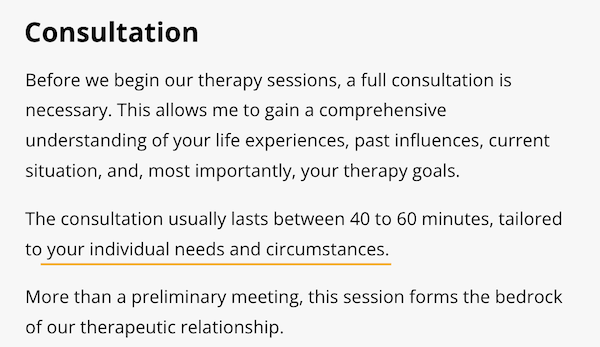
Because many clients arrive with misconceptions or uncertainty, our first session is always a consultation (between 40-60 mins). This is part of the collaborative process itself, an opportunity for us to explore your questions, clarify what hypnosis involves, and establish shared goals. Taking this time together strengthens trust and significantly increases the effectiveness of the hypnotherapy that follows.
I talk about this on my tailored hypnotherapy page as well, it’s a core part of how I support clients!
Progress comes from co-created change, using goal-aligned suggestions that reflect the client’s intentions. This collaborative therapy model positions the practitioner as a guide, not a fixer. When clients approach hypnosis with a “fix me” mentality or expect instant, effortless results, they overlook the role of shared responsibility in achieving meaningful outcomes.
Hypnosis is not a shortcut; it is an empowerment model that supports clients in accessing the mental resources needed for change.
Scientific Evidence Supports Its Use for Specific Issues
Hypnotherapy’s credibility comes from clinical research showing where it works and where it doesn’t. Modern psychological science and clinical trials have established validated interventions with clear, empirically supported outcomes, especially for pain reduction, anxiety, habit change, and stress-related concerns.
The neuroscience of hypnosis highlights specific brain-based mechanisms, such as shifts in attention networks and perceptual processing, that explain why certain techniques demonstrate strong therapeutic efficacy. These findings outline targeted applications, not universal solutions, and help distinguish legitimate practice from exaggerated claims.
A common misconception is assuming hypnosis is either a pseudoscience or a cure-all. In reality, its value lies in research-supported benefits backed by measurable data, applied precisely where the evidence shows consistent effectiveness.
Hypnosis Feels Normal, Not Mysterious
Hypnosis is simply a shift into relaxed focus, a familiar mental mode similar to everyday absorption or meditative awareness. Instead of producing dramatic or unusual sensations, it reflects ordinary mental phenomena that people experience naturally when concentrating, imagining, or tuning into gentle internal attention.
Clients often expect something magical or overwhelming, but hypnosis functions as a non-mystical process grounded in calm concentration and grounded sensory awareness. The mind moves through intuitive mental shifts that feel natural rather than strange.
The misconception that hypnosis is bizarre or supernatural comes from expecting heightened theatrics. In practice, it feels like a familiar cognitive experience, not a departure from normal awareness.
Related Topics